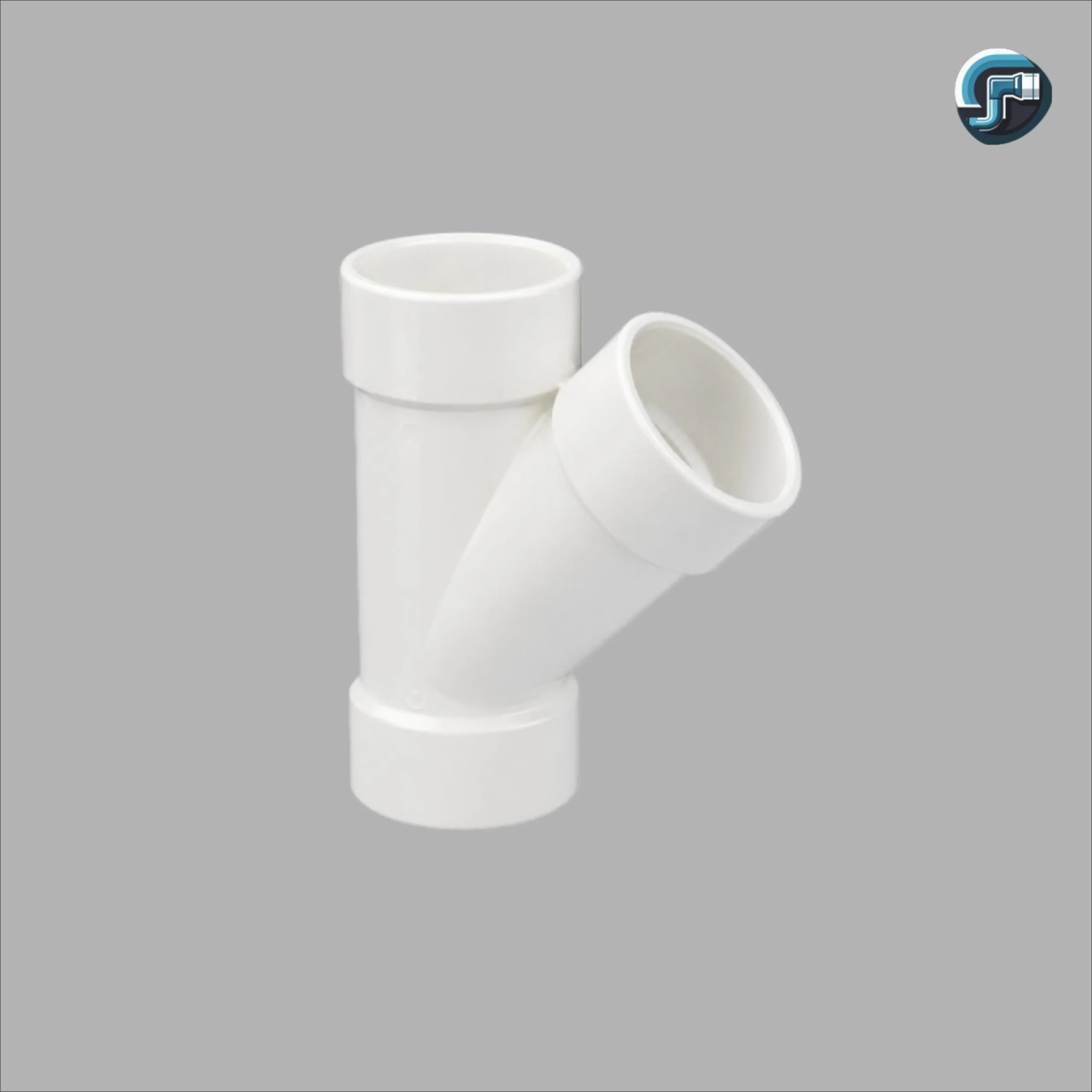
PVC Wye Fittings
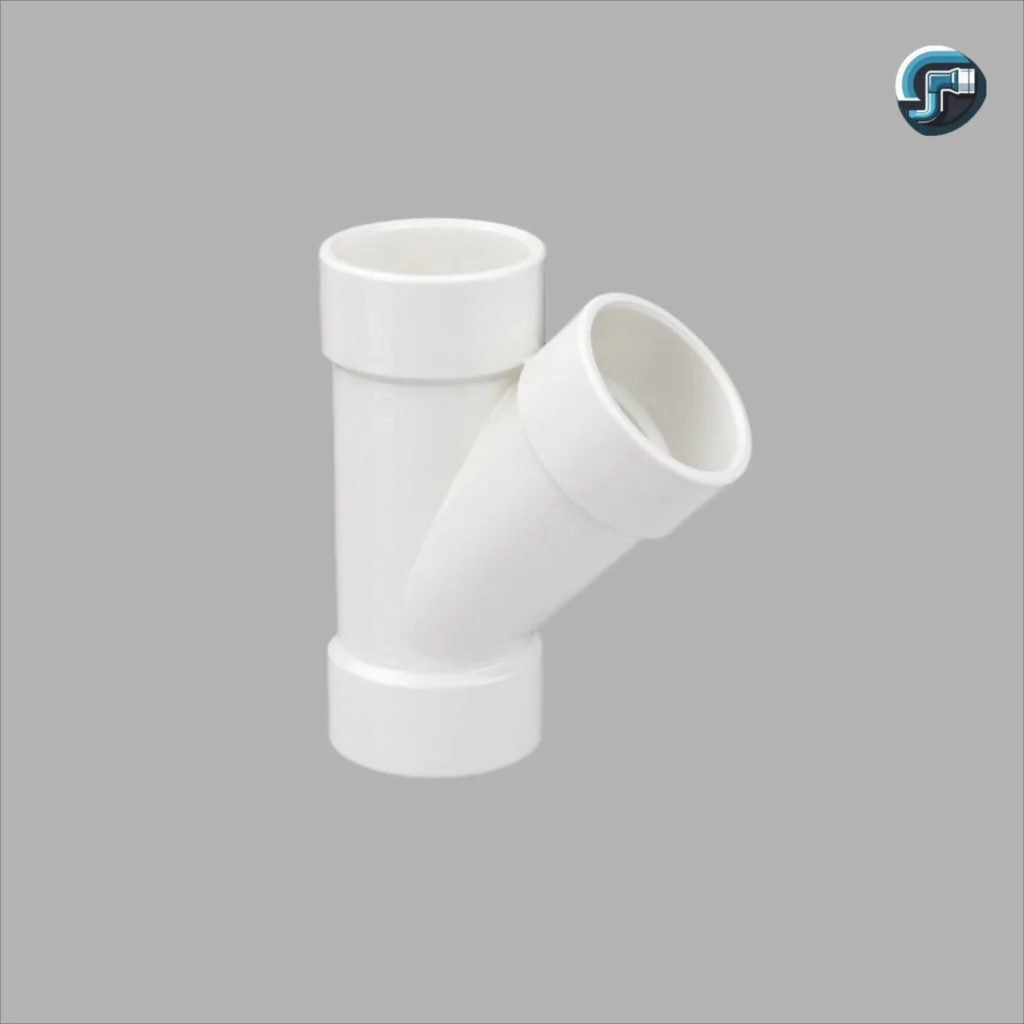
If you’ve ever crawled under a house just to eyeball the drainage setup, maybe laid out an irrigation run, or even fiddled with a vent stack, chances are you’ve bumped into a Y-shaped connector that lets one pipe drift off into two paths at a pretty mild angle. That part is a PVC wye, and honestly it does a lot more work in plumbing systems than most people assume.
Compared with a straight tee, which hooks pipes up at a sharper 90-degree turn, a wye fitting uses a smoother, angled arm—often a 45-degree bend—so the flow can split or merge without kicking up much turbulence or giving gunk a nice little corner to settle in. In other words it helps keep things moving, rather than acting like a splashy elbow in your line.
So, in plain terms, this is a quick walk through what a PVC wye actually is, how it stacks up versus other plumbing parts, where it shows up in day to day installs, and what you should watch for when you’re choosing the right one for your project.
What Is a PVC Wye?
At its simplest, a pvc wye is a plastic pipe fitting shaped like the letter Y. It has one inlet and two outlets (or the reverse, depending on which way the flow is headed), and the branch line comes off the main line at an angle instead of meeting it head-on. That angled branch is really what sets a wye pipe fitting apart from a standard tee. Because the branch is angled rather than perpendicular, resistance drops and waste, water, or air can move through the system more smoothly — which is exactly why plumbers grab a pvc y fitting any time two lines need to come together without forming a hard corner where debris could get stuck.
You’ll hear this same fitting called a few different things depending on who you’re talking to — pvc y, wye fitting, pvc y connector, even pvc y tee. The name shifts a bit by region or supplier, but it’s the same shape doing the same job every time: combining or splitting flow at an angle that keeps everything moving.
Why the Angle Matters?
The 45-degree branch angle isn’t just a stylistic choice — it’s the whole point of a plumbing wye. When wastewater moves through a drain line, sharp 90-degree turns create resistance and give solid waste somewhere to catch and build up. Left alone, that buildup turns into clogs, sluggish drains, and eventually pressure damage to the pipe itself.
A wye pipe avoids that problem by letting the branch line ease into the main line instead of colliding with it. Water and waste keep moving in the direction of flow instead of getting knocked off course. That’s also the reason so many building codes require a pvc wye fitting rather than a tee for drain-waste-vent (DWV) work, especially anywhere solid waste is involved.
Common Types of PVC Wye Fittings
Not every wye fitting looks or works exactly the same. Depending on what you’re building, you’ll come across a handful of variations:
Standard Wye (45-degree wye): The workhorse of the bunch, used all over drain lines and waste systems. This is the classic pvc y fitting most people picture when the term comes up.
Combination Wye and Eighth Bend: Known as a “combo” on the job site, this piece combines a wye with a 45-degree elbow in one fitting. It’s handy anywhere a drain line needs to change direction and pick up a branch at the same time, which cuts down on joints and saves space.
Sanitary Wye: Built specifically for sanitary drainage, this pvc y connector is shaped to meet code requirements for wastewater and to keep waste from snagging at the joint.
Double Wye: This one has two branch outlets instead of one, letting three lines merge into a single main line — useful when a layout gets more complicated and several fixtures need to drain into the same stack.
Reducing Wye: For when the branch line isn’t the same diameter as the main line. A reducing wye pipe fitting lets you connect two different pipe sizes without adding a separate coupling.
They all fall under the same umbrella of wye fittings, and they all share that same angled-branch design — just tailored to different jobs.
| Nominal Fitting Size | Fitting Hub Inner Diameter (I.D.) | Mating Pipe Outer Diameter (O.D.) | Common Applications |
| 1-1/2″ | 1.910″ | 1.900″ | Sink drains, tub/shower waste lines |
| 2″ | 2.385″ | 2.375″ | Floor drains, laundry stands, shower drains |
| 3″ | 3.510″ | 3.500″ | Toilet waste lines, branch soil stacks |
| 4″ | 4.510″ | 4.500″ | Main sewer lines, building drain trunks |
| 6″ | 6.635″ | 6.625″ | Commercial main lines, storm drainage |
| 8″ | 8.640″ | 8.625″ | Heavy civil & municipal drainage |
Common Applications
Drain-Waste-Vent (DWV) Systems
This is where you’ll run into a pvc wye most often. Every fixture in a home or building — toilets, sinks, showers — needs to route wastewater into a main drain line, and codes typically require that connection to go through a wye instead of a tee. Since the angled branch cuts down on turbulence, a plumbing wye helps prevent trap siphoning and keeps solid waste heading toward the sewer or septic system instead of settling right at the junction.
Venting Systems
Vent stacks depend on wye fittings too. Vents let air into the drainage system, which stops vacuum pressure from siphoning water out of P-traps. A pvc y tee in a vent line lets branch vents tie smoothly into the main stack, keeping airflow consistent throughout.
Irrigation and Sprinkler Systems
Outside the house, a wye pipe shows up constantly in irrigation work. When one water line needs to split into two zones — feeding two sprinkler heads or a couple of hose connections, say — a pvc y fitting makes that split without choking off water pressure the way a sharper-angled fitting would.
Industrial and Agricultural Uses
On a bigger scale, wye fittings get used in industrial wastewater setups and agricultural drainage to merge multiple pipe runs into one collection line. PVC’s resistance to corrosion and its light weight compared to metal piping make a pvc wye fitting a natural fit for these systems as well.
PVC Wye vs. PVC Tee: What’s the Difference?
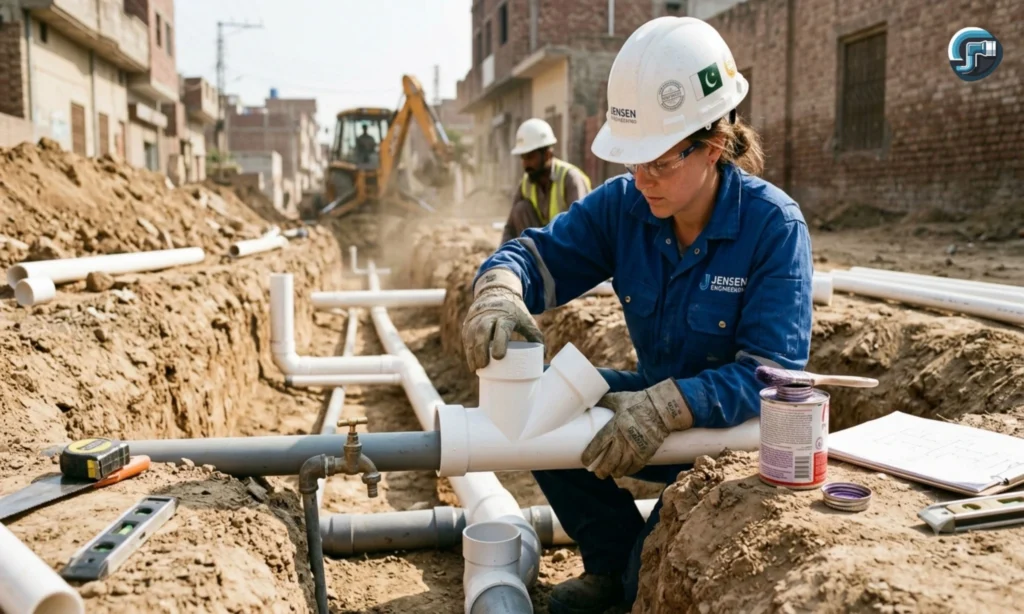
This comparison trips people up a lot, so it’s worth spelling out. A tee joins pipes at 90 degrees; a wye joins them at 45. In pressurized water supply lines, that difference barely matters, since the water’s being pushed through under pressure either way. But in gravity-fed drainage, the angle changes everything.
Drain lines rely on gravity, not pressure, to keep waste moving — so a sharp 90-degree tee gives debris a spot to collect, and over time that means clogs and slow drains. A wye pipe fitting, with its gentler angle, keeps solids traveling in the direction of the main flow instead. That’s why most plumbing codes call for a combination wye and eighth bend, or a straight wye, when connecting branch drain lines — a tee just isn’t built for the job.
Materials and Durability
PVC is the go-to material for these fittings in residential and light commercial plumbing for a simple reason: it’s affordable, light, resistant to corrosion, and easy to work with using standard solvent cement. A pvc y connector will usually outlast a metal equivalent in wet or corrosive conditions, since it won’t rust or break down from the water and chemicals typically found in wastewater.
That said, PVC isn’t the answer for everything. It’s not rated for high heat the way CPVC or metal piping is, so check local codes and the specifics of your application before putting PVC wye fittings anywhere near hot water lines or industrial chemicals.
Sizing and Installation Tips
Getting the size right matters just as much as picking the right shape. Residential drainage typically calls for sizes between 1.5 and 4 inches in diameter, though commercial and industrial jobs can require larger fittings. Match the fitting to the pipe already in use, and check whether you actually need a standard or reducing wye pipe fitting depending on whether the branch line matches the main line’s diameter.
When you’re installing one, pay attention to orientation — the branch line needs to flow in the same general direction as the main line. Put a wye in backward and you’ll undercut the whole point of using one, sometimes making flow issues worse instead of better. Use the right PVC primer and solvent cement to get a leak-free joint, and give it proper cure time before running water through the system.
Local plumbing codes will often spell out exactly where and how a plumbing wye needs to be used, particularly in DWV systems, so it’s worth checking those requirements before you start rather than finding out during inspection.
FAQ’s
Final Thoughts
Call it a pvc wye, pvc y, wye fitting, or plumbing wye — whatever name you use, this simple Y-shaped fitting handles something a standard tee just can’t do as well: merging or splitting flow without turbulence, resistance, or a spot for debris to pile up. From drain lines and vent stacks in a house to irrigation systems and industrial drainage runs, wye fittings are a small piece of the puzzle that keeps fluid systems running the way they’re supposed to.
If your next plumbing project involves tying a branch line into a main line, take the time to get the type and size of your pvc wye fittings right. That one decision is often the difference between a drainage system that holds up for decades and one that’s fighting clogs and slow drains from the start.